

Multi-Functional Riparian Buffers, Agroforestry & Perennial Installation
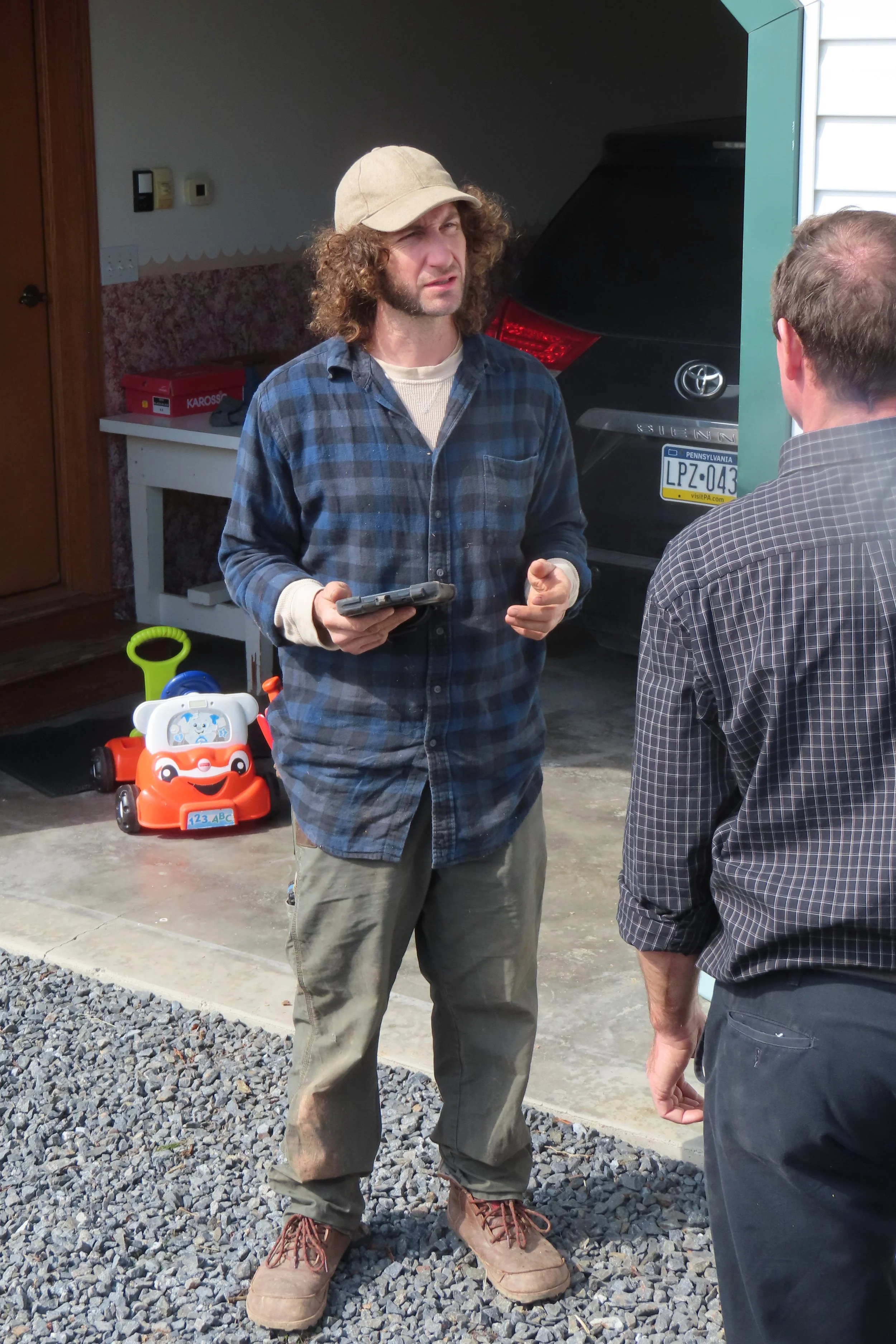
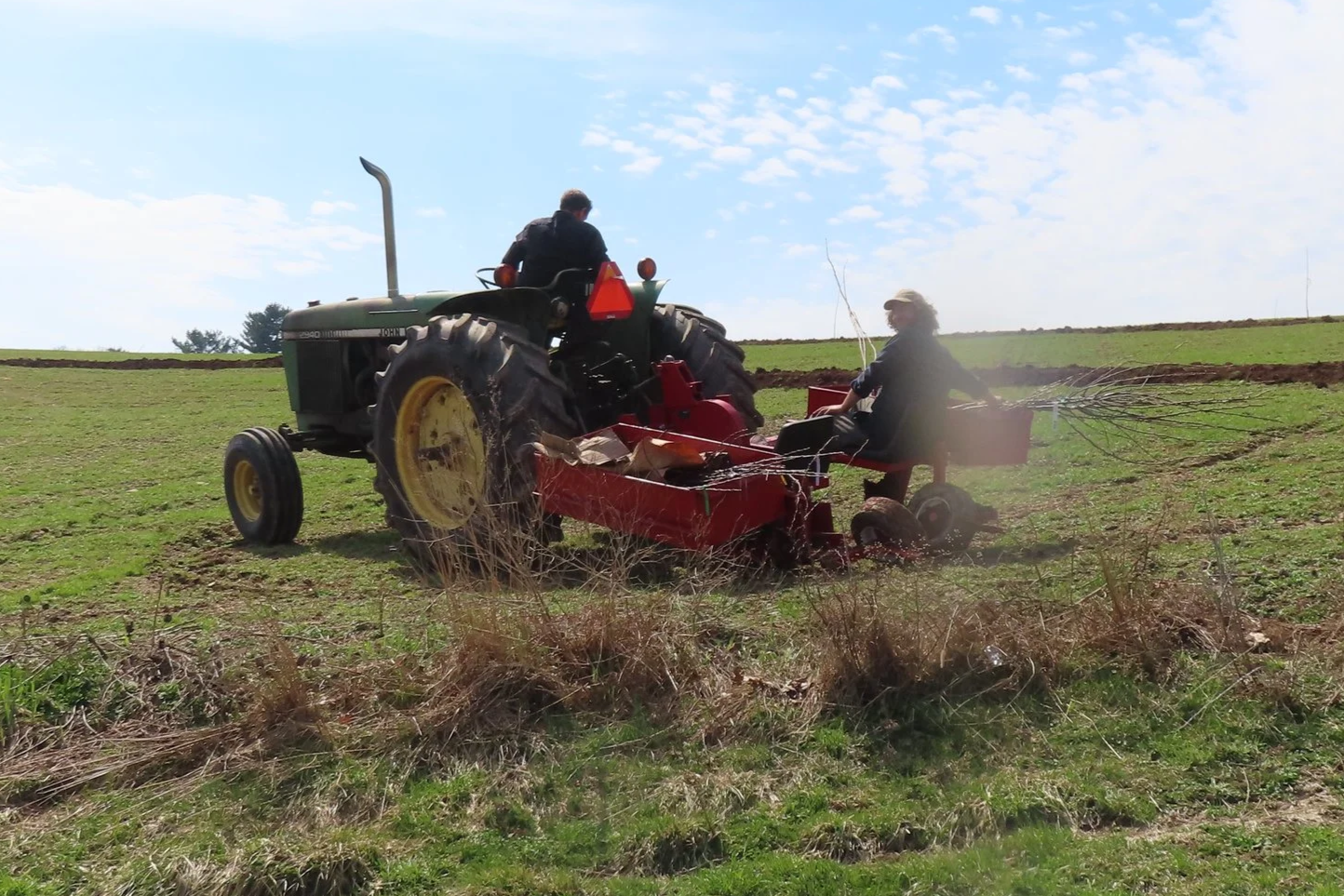
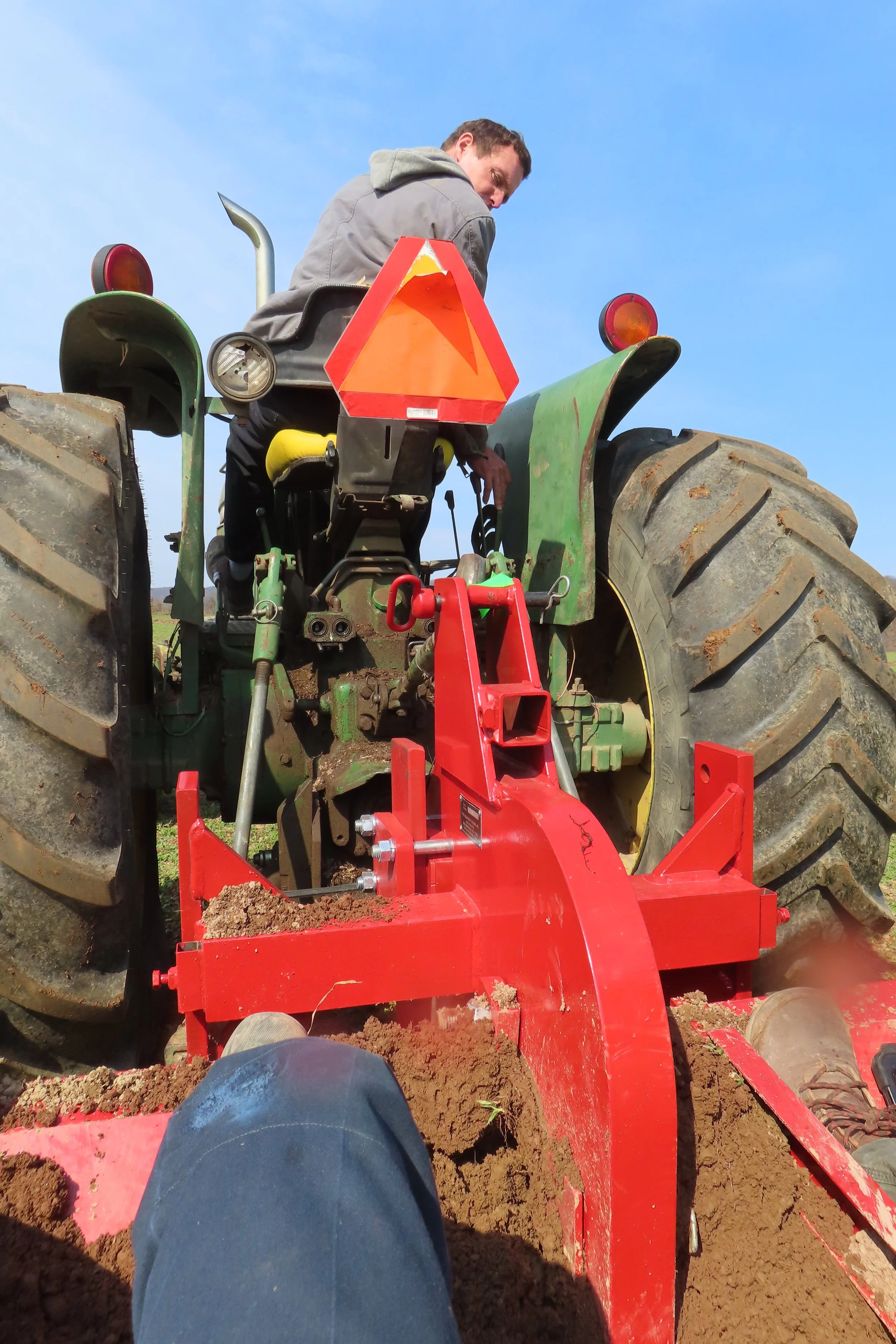
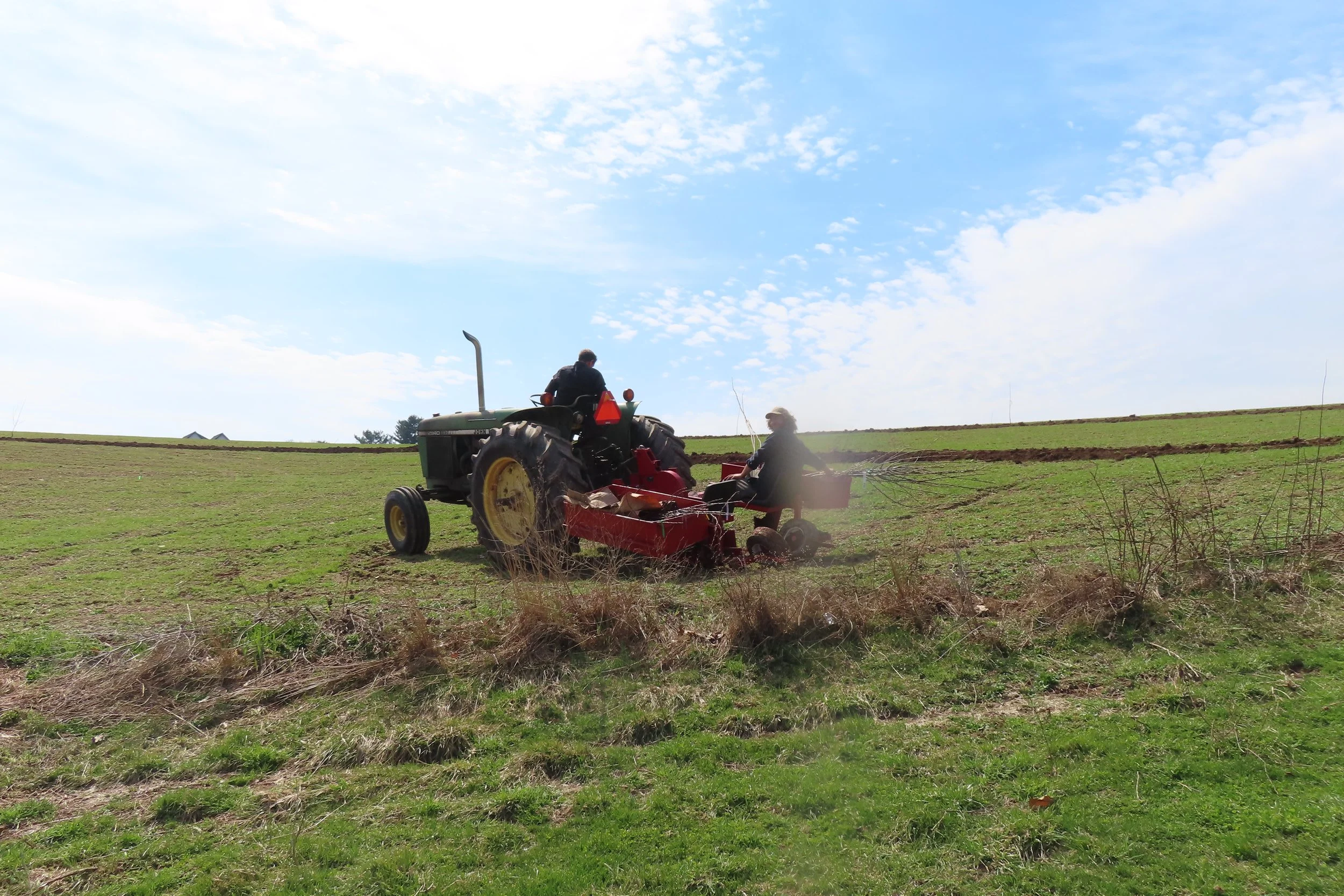
Forest Shepherd Farm provides perennial system design, RTK GPS layout, mechanized planting, and establishment services for riparian buffers, silvopasture, alley cropping, and large-scale perennial agricultural projects throughout Appalachia.
Our work focuses on practical implementation, watershed function, operational farm realities, and long-term survivability — not random tree planting.
We work with farmers, landowners, watershed organizations, conservation districts, grant-funded projects, and perennial agricultural operations to establish systems that are both ecologically functional and operationally workable.
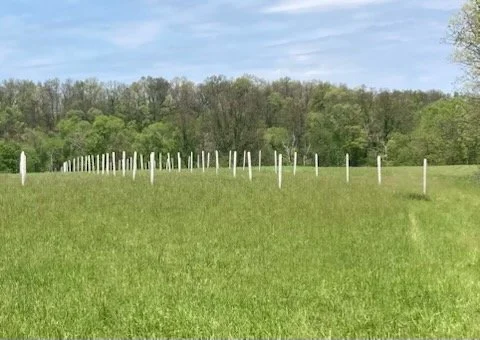
Efficient
Large-Scale Perennial Installation
We combine RTK GPS layout, mechanized tree planting, contour-based land planning, and perennial establishment systems to improve consistency, efficiency, and survivability on larger planting projects.
Services may include:
Multi-functional riparian buffers
Silvopasture establishment
Alley cropping systems
Shelterbelts and windbreaks
RTK GPS row layout and stakeout
Mechanized tree planting
Ripping and strip preparation
Tree tube and vole guard installation
Watering and establishment support
Follow-up monitoring and replacement planning
Willow structures and living fences
Projects are designed around long-term survivability, practical management, watershed function, maintenance realities, operational efficiency, and realistic long-term maintenance.
We focus on perennial agricultural systems that can realistically function within working farms, conservation projects, and rural properties over the long term.
Working With Watershed & Conservation Programs
Forest Shepherd Farm works with watershed groups, conservation districts, grant-funded projects, NRCS participants, and rural landowners to establish perennial systems at scales ranging from several hundred to several thousand trees.
Many riparian planting and conservation projects involve substantial coordination between landowners, agencies, nurseries, volunteers, and contractors. Forest Shepherd Farm can assist with project implementation, logistics, layout, planting coordination, protection systems, and establishment support.
We understand that successful perennial establishment depends on more than simply getting trees into the ground.
Long-term success requires:
Proper layout and spacing
Survivable species selection
Protection systems
Operationally workable access
Efficient staging and logistics
Watering and establishment planning
Realistic long-term maintenance expectations
Projects can be coordinated around:
Client-supplied trees
Client-supplied protection systems
Volunteer labor
Contractor-installed systems
Grant-funded specifications
NRCS or conservation district requirements
Turnkey or partial-service implementation
We are comfortable working within flexible project structures depending on project goals, available labor, funding requirements, and site conditions.
Watershed Function & Farm Productivity
Throughout Appalachia and the Chesapeake Bay watershed, perennial systems can play a major role in improving infiltration, slowing runoff, stabilizing soil, reducing erosion, improving drought resilience, and supporting long-term agricultural productivity.
Forest Shepherd Farm approaches perennial installation as part of a larger watershed and land management system.
Agroforestry systems become difficult to manage when they are designed without considering:
Equipment access
Grazing systems
Mowing patterns
Livestock movement
Headland requirements
Access roads
Existing farm operations
Long-term maintenance practicality
Future operational flexibility
Layout decisions are made within the context of:
Watershed shape and hydrology
Existing drainage patterns
Soil conditions
Slope and terrain
Access requirements
Equipment widths and turning radii
Existing farm infrastructure
Grant or program requirements
Long-term management realities
This work is heavily informed by Greg’s background in land surveying, RTK GPS systems, perennial nursery production, Regrarians land planning, watershed-focused design, and practical experience working with perennial agricultural systems in Appalachia.
The objective is not simply to place trees into fields, but to establish systems that remain functional, workable, maintainable, and economically productive over the long term.
Multi-Functional Riparian
Buffers
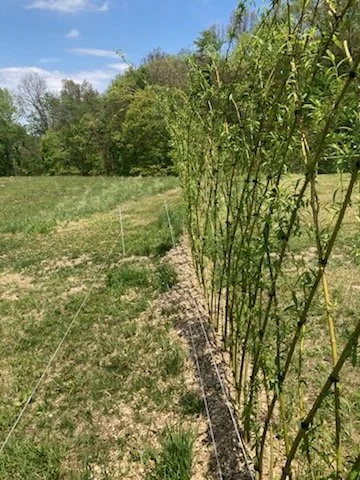
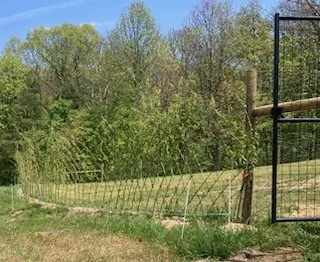
Traditional riparian buffers are often viewed as land removed from production.
We take a broader approach.
Multi-functional riparian systems can improve:
Water quality
Streambank stability
Erosion control
Biodiversity
Pollinator habitat
Livestock shade and shelter
Long-term perennial productivity
Watershed resilience
Depending on site conditions, project goals, and program requirements, buffers may incorporate species such as:
Willow
Elderberry
Hazelnut
Pawpaw
Persimmon
Pecan
Black Walnut
Hickory
Native shrubs and pollinator species
Forest Shepherd Farm can provide:
Live stakes and cuttings
Nursery-grown plant material
Procurement coordination
Tube and vole guard systems
Establishment planning
Follow-up support
Client-supplied plant material can also be incorporated when appropriate.
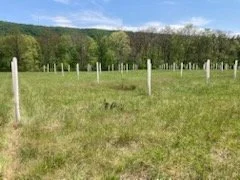
Silvopasture, Alley Cropping & Agroforestry Systems
Forest Shepherd Farm works with all five major USDA agroforestry categories, with particular focus on systems that can function operationally within working farms.
Silvopasture
Intentional integration of trees, livestock, and forage systems.
Properly designed silvopasture systems are not random tree rows placed into pasture. Tree placement, spacing, and row orientation are designed around grazing systems, equipment access, mowing patterns, livestock movement, and long-term management practicality.
Alley Cropping
Rows of perennial crops integrated with annual or perennial production systems.
Well-designed alley cropping systems are built around actual equipment widths, headland requirements, operational realities, and phased long-term management.
Windbreaks & Shelterbelts
Tree systems designed to improve livestock comfort, reduce wind exposure, improve microclimates, and reduce desiccation.
Riparian Buffers
Perennial tree and shrub systems established alongside waterways to stabilize streambanks, improve water quality, reduce erosion, slow runoff, improve infiltration, and create long-term ecological and productive value.
Well-designed riparian systems can also provide pollinator habitat, livestock shelter, perennial crops, wildlife value, and long-term watershed resilience while remaining manageable within working agricultural landscapes.
Forest Farming
Intentional cultivation of marketable crops within managed woodland systems.
Mechanized perennial establishment can significantly improve efficiency in larger-scale planting systems.
Flexible Project Structures
Forest Shepherd Farm offers flexible project structures depending on project goals, budget, labor availability, site conditions, and program requirements.
Projects may include any combination of:
Site planning and strategy
Basemap development
RTK GPS layout and stakeout
Ripping and strip preparation
Mechanized planting
Tree tube installation
Plant material sourcing and coordination
Watering and establishment support
Monitoring and replacement planning
Long-term expansion planning
Some clients prefer turnkey implementation.
Others may already have:
Plant material
Protection systems
Volunteer labor
Existing contractors
Grant specifications
Site plans
We can work within a wide range of implementation structures depending on the project.
Mechanized Planting & Establishment
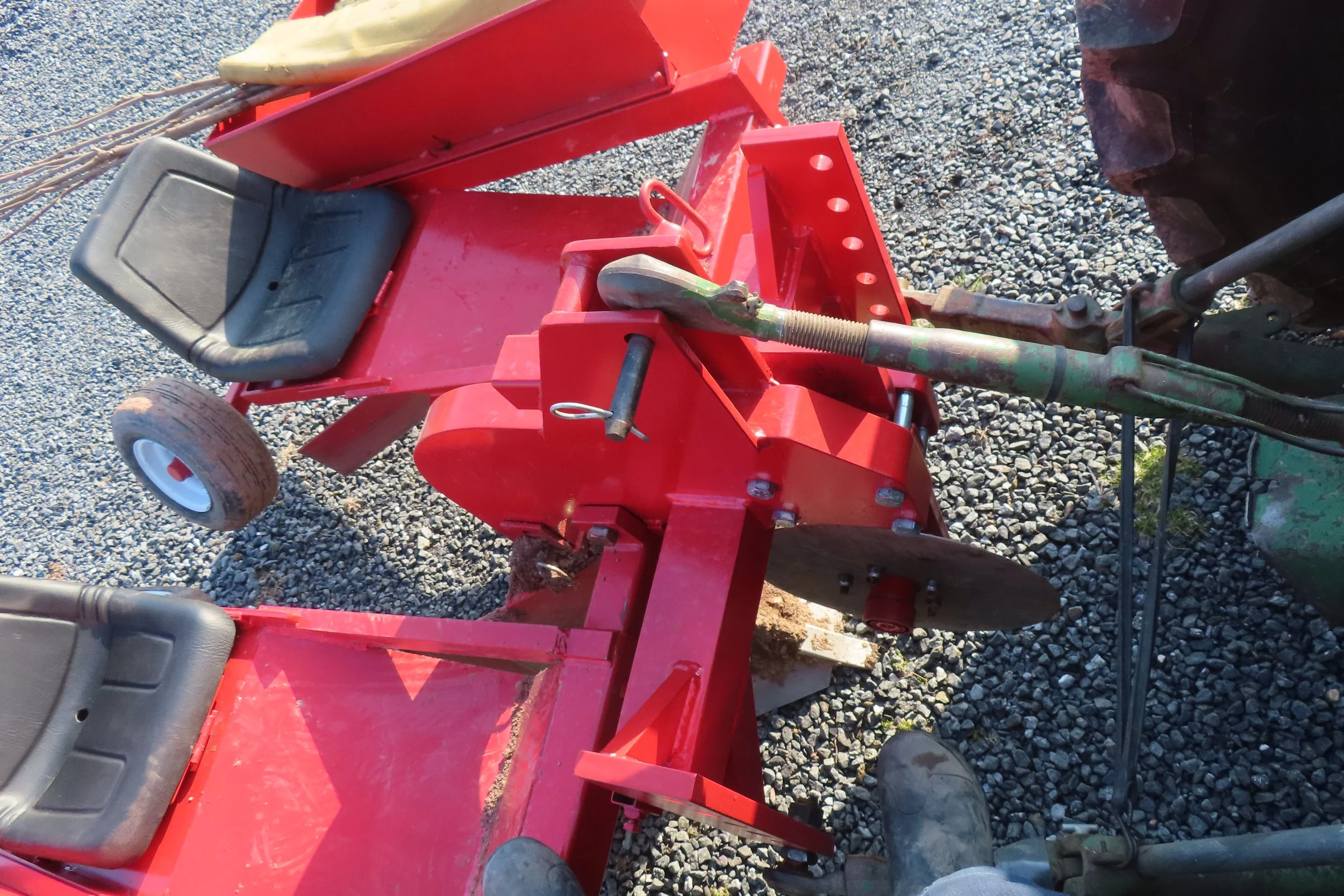
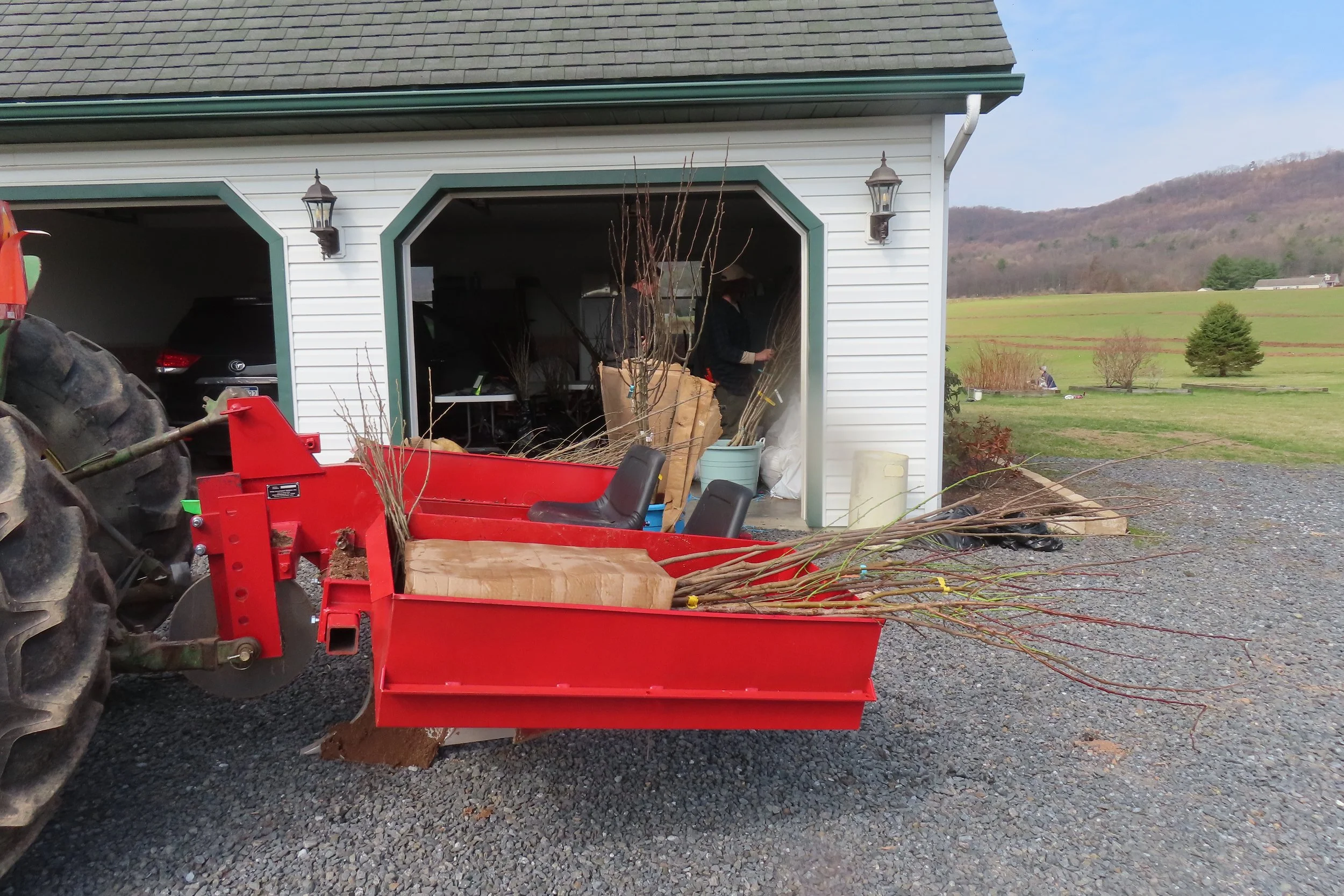
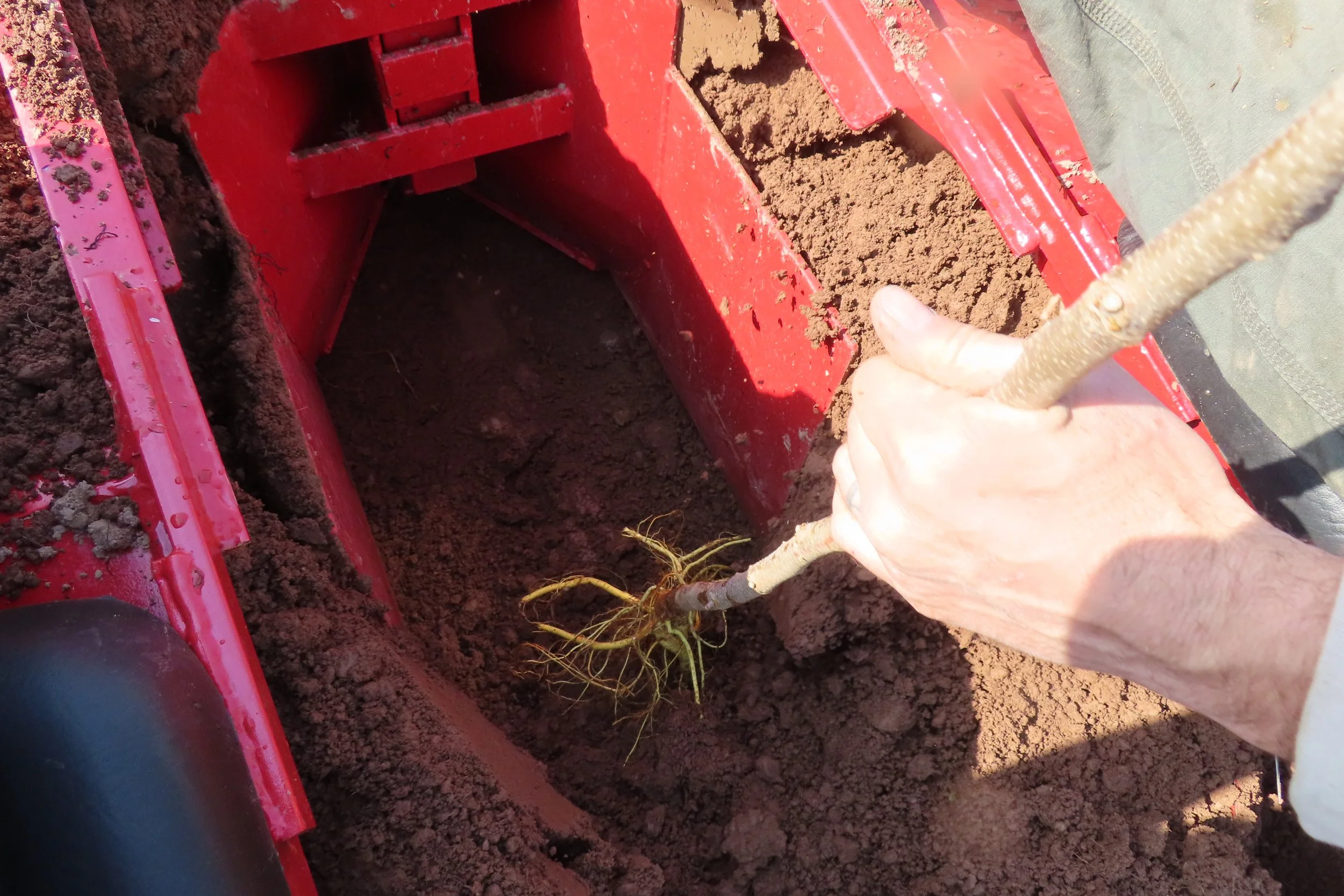
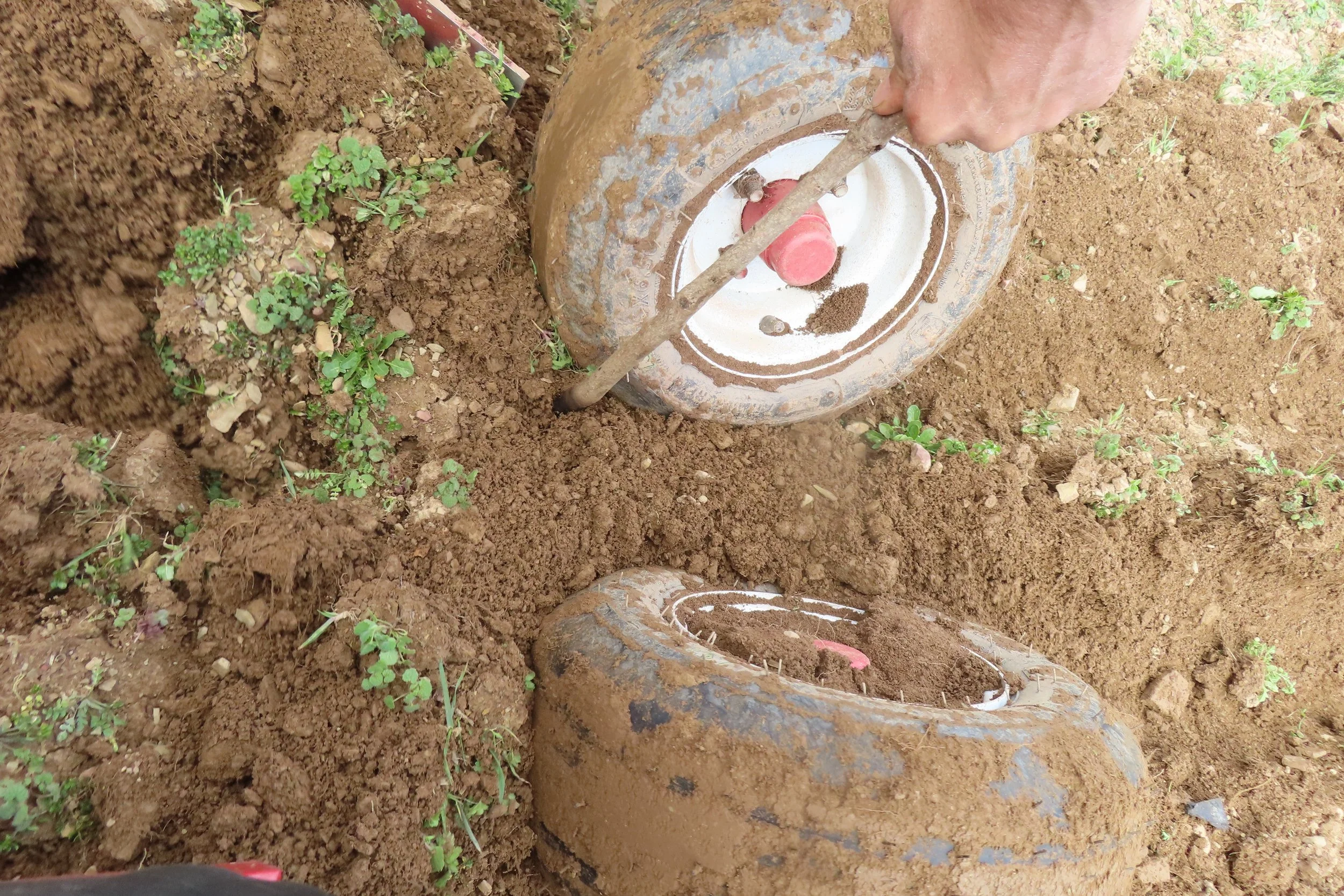
Forest Shepherd Farm uses mechanized planting systems and RTK GPS layout to improve planting consistency and installation efficiency on appropriate sites.
Our planting systems can accommodate:
Bare-root seedlings
Larger nursery stock with no height restrictions
Container-grown trees up to approximately 7-gallon pots
Mixed systems — trees, shrubs, herbaceous perennials, and annuals can all be planted within the same project
Mechanized systems can improve:
Consistent spacing
Parallel row geometry
Contour alignment
Installation speed
Labor efficiency
Coordination between design and implementation
Planting itself is often only one part of successful perennial establishment.
Protection systems, watering, monitoring, maintenance, and survivability require substantially more long-term attention than simply placing trees into the ground.
We focus heavily on establishment practicality and long-term survivability.
Projects involving several hundred to several thousand trees are generally the best fit for mechanized planting systems, though smaller projects may still benefit from watershed analysis, layout planning, and phased implementation support.
Typical Project Types
Typical projects may include:
Riparian buffer establishment
Silvopasture systems
Alley cropping systems
Shelterbelts and windbreaks
Perennial agricultural transitions
Watershed-focused planting projects
Pollinator and habitat plantings
Willow systems and living structures
Multi-acre perennial establishment projects
Most projects are quoted individually based on:
Terrain
Access
Travel distance
Planting density
Species mix
Existing infrastructure
Protection requirements
Site conditions
Available labor
Long-term maintenance considerations
Because mobilization, logistics, and equipment movement are substantial components of perennial installation work, larger projects are generally the best fit for mechanized systems.
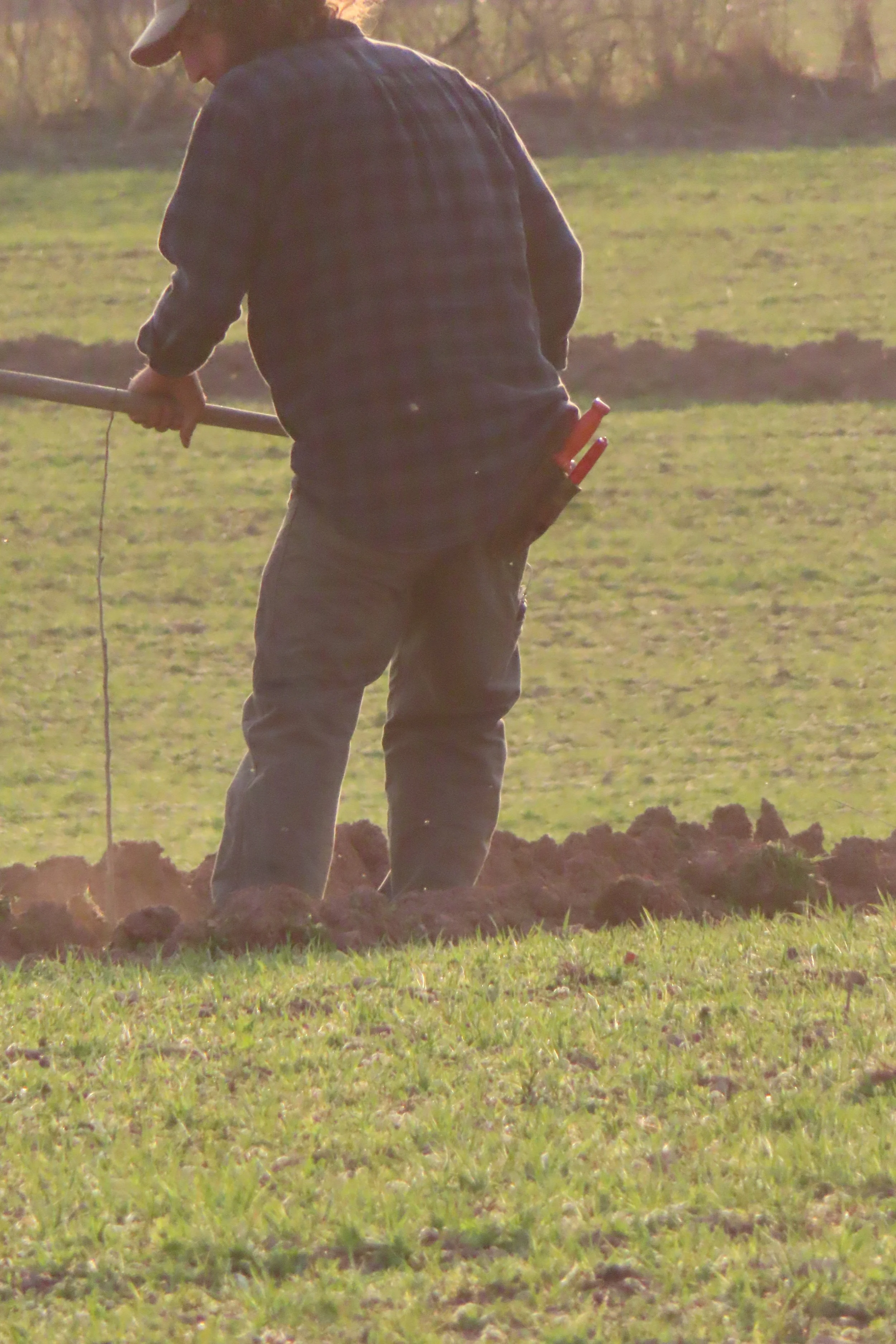
Installation Is Only The Beginning
What We Can Provide
Who We
Work With
Successful perennial systems require long-term follow-through including
Monitoring visits
Watering support
Tube adjustments
Replacement planning
Pruning guidance
Expansion planning
Long-term establishment support
The goal is not simply to plant trees quickly, but to establish systems that survive, function, and improve over time.
Farmers
Rural landowners
Watershed organizations
Conservation districts
NRCS program participants
Grant-funded projects
Agroforestry operations
Perennial agricultural projects
Rural estates and homesteads
Forest Shepherd Farm is based in Berkeley Springs, West Virginia and primarily serves West Virginia and the surrounding Appalachian region.
Start With a Property Strategy
Session
If you are considering:
Riparian buffer installation
Silvopasture
Alley cropping
Agroforestry transition
Perennial establishment
Watershed-focused farm planning
Mechanized planting projects
Large-scale perennial systems
We can review the property, goals, constraints, implementation options, and operational considerations before major decisions are made.